The short answer
Septic tank emptying is the process of vacuuming the liquid and solid waste out of a septic tank so it has room to keep working. Most households need it every 3 to 5 years, it takes under an hour for a routine visit, and it’s the same job most people call “pumping” — different word, same truck.
What actually happens during emptying

Nobody grows up dreaming of this job, but somebody has to be good at it. Here’s the real process, not the marketing version:
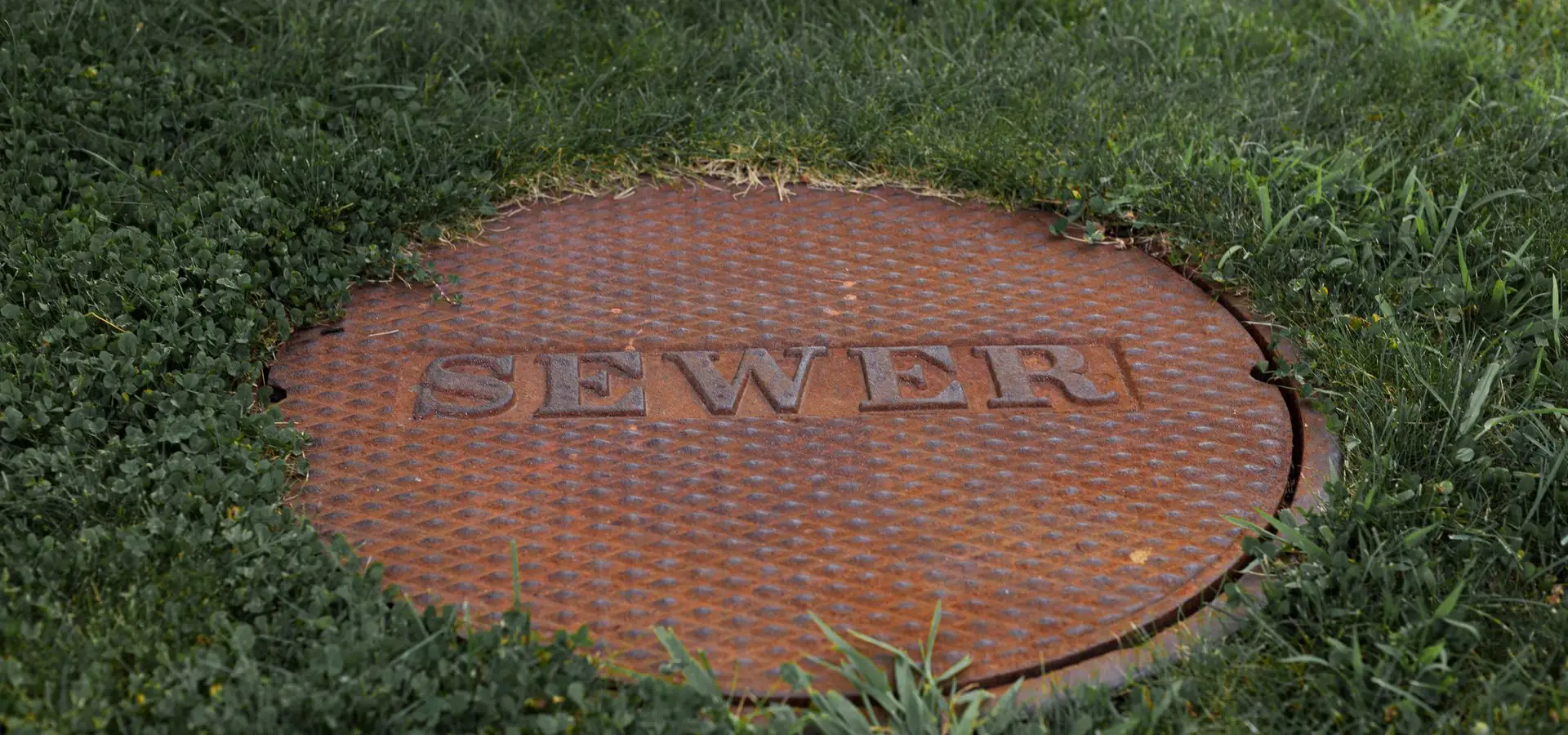
- 01Locate and uncover the access lidSome tanks have one lid, some have two. If yours is buried under grass, this is the step that takes the longest.
- 02Check the sludge and scum layersBefore anything gets pumped, we measure what’s actually in there. This tells us whether it’s a routine visit or something more overdue than expected.
- 03Pump and agitateThe vacuum truck pulls the liquid and solid waste through a hose. Thicker sludge sometimes needs to be agitated first so it moves through the hose instead of sitting at the bottom.
- 04Inspect the bafflesWith the tank open and empty, we check the inlet and outlet baffles for cracks or corrosion — small problems that are cheap to catch now and expensive to ignore.
- 05Check for structural issues or backflowA quick look at the tank walls and joints for damage, and a check that nothing is flowing back in the wrong direction.
- 06Close it upThe lid goes back on and gets secured. The yard looks exactly like it did before the truck showed up.
Start to finish, a routine emptying is usually done in under an hour once the truck is on site. The EPA's overview of how a septic system works is a good reference if you want the mechanics behind why this needs to happen at all.
How often it needs to happen
Most households land somewhere between 3 and 5 years, and the exact number depends on household size, tank size, and how much solid waste goes down the drains. We’ve written the full breakdown in how often you should pump your septic tank — worth a read if you don’t already have a number in mind.
How to tell your tank is full
Slow drains, odor, standing water over the drain field, gurgling pipes — any of those means the tank is telling you something before it turns into an actual emergency. Full rundown in signs your septic system is failing. If you’re already looking at standing sewage, skip the reading and call now.
What it costs
Routine emptying runs a few hundred dollars in most cases — tank size, access, and how overdue it is all move that number up or down. We cover the specifics, including the EPA's own cost comparison against a neglected system, in what actually drives the price.
Do additives replace pumping?
No, and this is worth being blunt about: the EPA's own septic tank additives fact sheet found no scientific evidence that additives help, and flagged that some can actually damage the system or contaminate groundwater. A septic tank already has the bacteria it needs to break down wastewater — what an additive can’t do is dissolve the plastic, grit, and other solids sitting at the bottom. Only pumping does that.
If a product’s whole pitch is “never pump again,” that’s the product telling on itself.
How to prepare before the crew arrives

A few minutes of prep makes the visit faster and keeps the truck off your lawn:
- Clear a path to the access lid — move patio furniture, toys, or anything sitting on top of it.
- Keep the driveway open. A vacuum truck needs real clearance, not a gap between two parked cars.
- If you know where the lid is, mark it. If you don’t, tell us — locating it is part of the job.
- Keep kids and pets away from the work area while the tank is open.
That’s it. You don’t need to dig anything up yourself — if the lid is buried, we’ll handle uncovering it.
Can you empty it yourself?
No — and not because we want the work. Emptying a tank requires a vacuum truck and a legal place to take the waste once it’s out. Neither of those is sitting in most people’s garage. What you can do yourself: know where your tank and lid are, keep a record of the last service date, and watch for the warning signs above. That’s the homeowner’s half of the job — the truck is ours.
What happens to the waste

It doesn’t just disappear once it’s in the truck. Licensed haulers take septic waste to a permitted treatment facility, where it’s processed under the same kind of regulation municipal wastewater goes through. The EPA's frequently asked questions on septic systems covers this in more detail, and the National Onsite Wastewater Recycling Association has more on how the onsite wastewater industry is regulated more broadly.