The short version
Five signs mean your septic system needs attention: slow drains, sewage odor, standing water or soggy ground over the drain field, gurgling pipes, and an actual backup. The first four are your warning — the last one is an emergency, full stop.
Slow drains
One slow drain is usually just that drain — a clog, hair, whatever. Multiple slow drains across the house, especially the lowest ones first, points at the tank or the line leaving it rather than any single fixture.
Sewage odor
A working system shouldn’t smell, inside or out. Odor indoors often means a dry trap or a vent problem; odor outside near the tank or drain field usually means the field isn’t absorbing effluent the way it should anymore.
Standing water or soggy ground
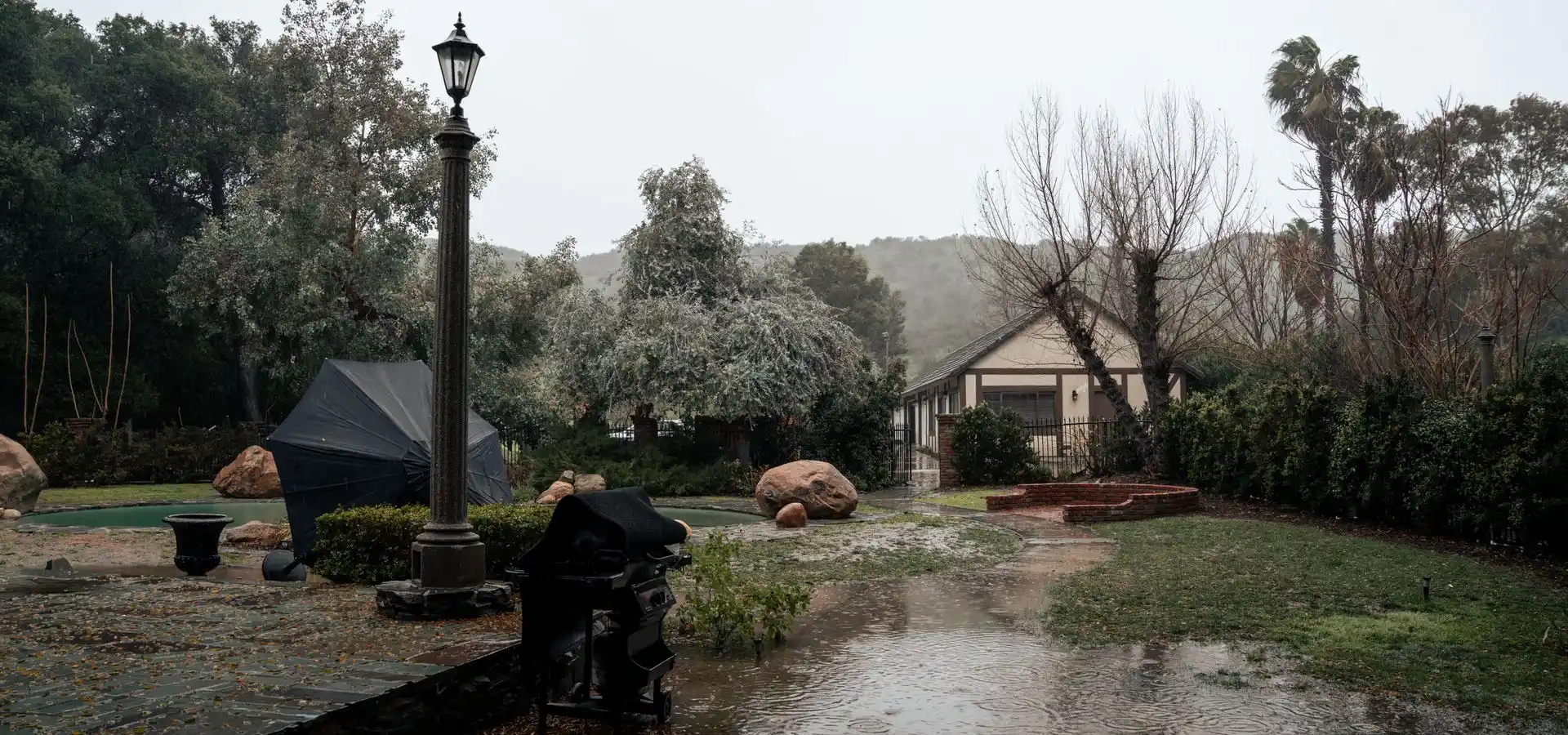
Wet, spongy soil over the drain field — especially when it hasn’t rained — is one of the clearest signs of a struggling system. Unusually lush, green grass over the field in the middle of a dry spell is the same problem wearing a different disguise: liquid that should be draining down is moving up instead.
Gurgling pipes
Gurgling when you flush or run water is air getting forced back through the line — usually because something downstream is blocked or backed up. It’s rarely nothing.
Sewage backup — treat this as an emergency
Sewage backing up into a drain, tub, or toilet isn’t a “schedule it for next week” problem. It’s a health hazard and a sign the system has already failed somewhere in the chain. Stop using water in the house, keep people and pets away from any pooling, and call for emergency service immediately.
When to call vs. when to watch and wait
A single slow drain after a big laundry day probably isn’t a septic problem. Multiple symptoms together, symptoms that persist for more than a day or two, or anything involving standing sewage — call. Waiting rarely makes a failing drain field cheaper to fix, and it’s usually the deciding factor in whether a job is a repair or a full replacement.
If you’re not sure which bucket you’re in, our pumping schedule guide covers the maintenance side, our guide to what emptying involves covers the actual appointment, and our breakdown of what drives septic costs will give you a sense of what you’re looking at either way.
For more on what causes systems to fail and how it gets resolved, the EPA's page on resolving septic system malfunctions is a solid reference, along with their notes on why maintenance matters. The National Onsite Wastewater Recycling Association also maintains homeowner resources on system failure.